January 30, 2026, 4:30 p.m. A State of Emergency has been issued for all areas of Dare County, including the Town of Kill Devil Hills, which went into effect at 12 p.m. today Friday, January 30, 2026, due to expected impacts from the winter storm, which is forecast to bring significant snow accumulation, coastal flooding, high winds, and extremely cold temperatures to the area. A State of Emergency enables local officials to take actions to protect public health and safety during an emergency if needed. |
|
|
|
Due to the approaching winter storm, the Kill Devil Hills Trash Drop Off and Recycle Centers will be closed on Saturday, January 31, 2026. Additionally, the restroom facilities located at Aviation Park and Meekins Field Park will be closed through the weekend.
Beach driving in Kill Devil Hills is temporarily closed. Staff will reassess the beach for driving next week. For updates or closure announcements, please visit the Town’s website.
|
|
|
|
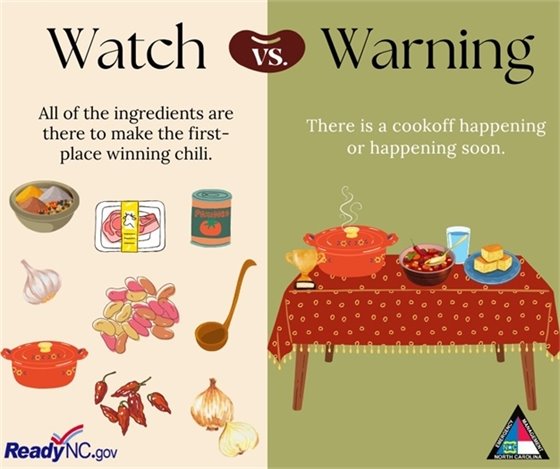
The National Weather Service at Newport/Morehead City, NC has upgraded many of the watches to WARNINGS. Dare County is currently under the following: Winter Storm Warning, Coastal Flood Warning, High Wind Warning, Storm and Gale Warning for area waters, Extreme Cold Watch, and High Surf Advisories. View the latest weather briefing from the National Weather Service. (The information contained in the NWS briefings are time-sensitive. Note expiration time on briefing.)
The combination of snow, cold, and wind will lead to life-threatening conditions outside. The impacts of this storm may extend into the majority of next week.
Now is the time to finalize all preparedness activities. Be sure to have a plan and a kit of essential supplies. If possible, check in with your neighbors. |
|
|
|
|
|
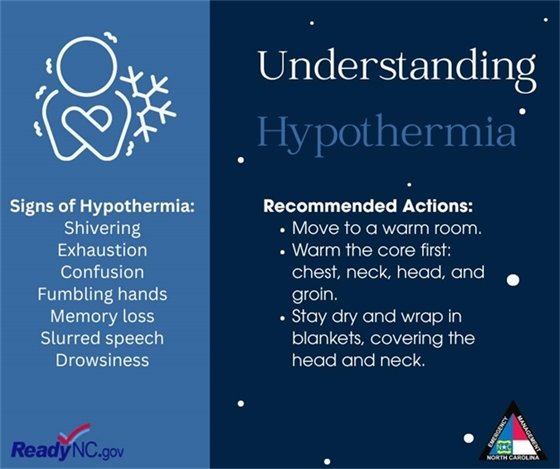
Everyone is at risk from the dangers of extreme cold, but newborns, the elderly, those with a chronic illness, people working outdoors, and those unhoused are among the most vulnerable. Age and certain conditions make the body less able to regulate temperature. |
|
|
|
|
|
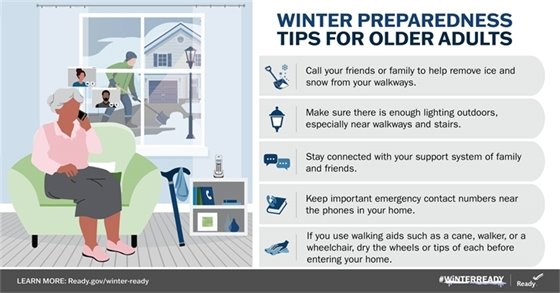
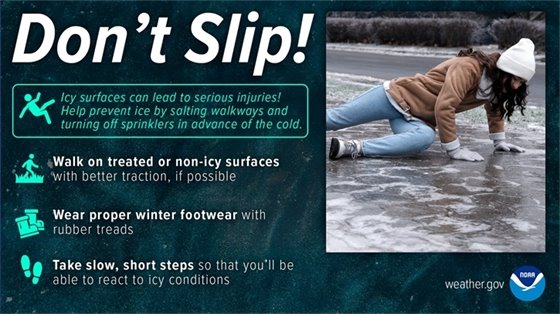
Please take precautions to stay safe during extremely cold temperatures: - Stay indoors and limit your time outside as much as possible. If you do have to go outside, wear layers and limit strenuous activities. Also, be sure to use salt, kitty litter, or sand to provide traction on slick steps, walkways, and ramps.
- Wear layers and have blankets available to add additional warmth. Layers will keep you warmer than a bulky sweater.
- Consume hot foods and warm drinks, but avoid caffeine and alcohol.
- If it is safe, check on neighbors who may need assistance — older adults, people with disabilities, and young children are more at risk in extreme cold.
Wind chill can make all the difference between being ok to having hypothermia. Under calm conditions, the body radiates heat, creating a layer of warmth between our skin and the cold surroundings. When it’s windy, the moving air breaks up this insulating layer and speeds up heat loss by whisking away warmth from our skin, making hypothermia a possibility. |
|
|
|
|
|
|
|
Home Safety Secure All Loose Outdoor Items As you are making storm preparations, make sure to secure all loose outdoor items. Strong winds and flooding make unsecured outdoor objects a hazard. Some items to double check include, trash/recycling cans, pots and planters, toys, grills, tables and chairs, and lawn décor.
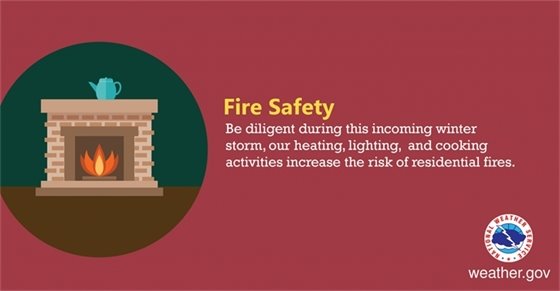
Heating Your Home Space Heaters: Keep space heaters at least 3 feet away (on all sides) from things that can burn, including people. Place them on a flat and solid surface. Check for damaged plugs and cords. Plug them directly into wall outlets (no extension cords or power strips). Do not leave them unattended. Avoid carbon monoxide poisoning. NEVER use a generator or other fuel-burning appliance inside a home, basement, shed, or garage.
Generator Safety - Generators and fuel should always be used outdoors and at least 20 feet away from windows, doors and attached garages.
- Install working carbon monoxide detectors on every level of your home. Carbon monoxide is a colorless, odorless gas that can kill you, your family, and pets.
- Keep the generator dry and protected from rain or flooding. Touching a wet generator or devices connected to one can cause electrical shock.
- Always connect the generator to appliances with heavy-duty extension cords.
- Let the generator cool before refueling. Fuel spilled on hot engine parts can ignite.
- Follow manufacturer’s instructions carefully.
|
|
|
|
|
|
And, as always, working smoke alarms are the best way to alert you and your family in case of a fire.
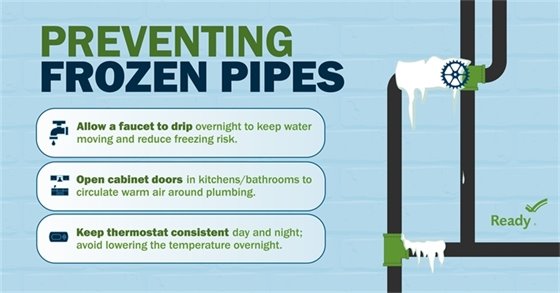
Frozen Pipes Extreme cold can make your pipes freeze and break. Consider wrapping pipes with sleeves, foam, or fiberglass insulation. It may sound silly, but you can even use a pool noodle. Just slice it open on one side and wrap it around your pipes for extra insulation. Disconnect garden hoses, shut off the water supply to outdoor faucets, and drain them. Use caulk to seal cracks and openings around pipes. Keep an eye out for signs of frozen pipes, including low water pressure, visible frost, and strange odors coming from your drain. |
|
|
|
|
|
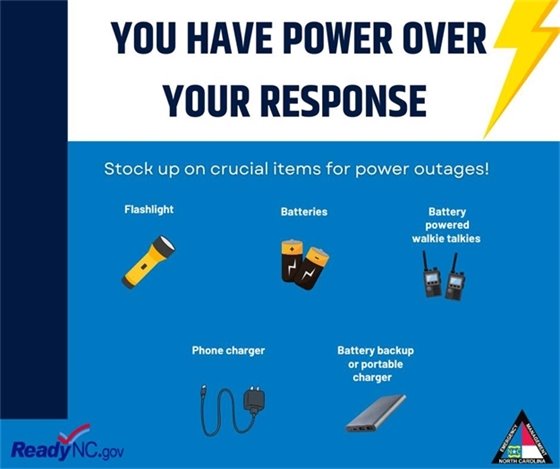
Power Outages In the event of a power outage, here are a few tips to keep warm: - Wear layers of loose-fitting, lightweight warm clothing, as well as hats, mittens, and blankets
- Close blinds or curtains to keep in the heat
- Seal one room - close doors to other rooms to avoid wasting heat, and stuff towels or rags in the cracks under the other doors
- Eat and drink. Food provides energy to warm the body.
- Stay active by moving around to boost circulation.
|
|
|
|
|
|
A winter storm may leave behind serious hazards: - Stay far away from downed power lines & report them immediately.
- Be alert to fallen trees and branches.
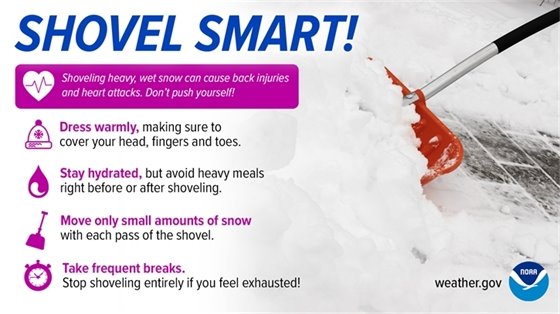
- Shovel smart! Take small scoops and rest often.
|
|
|
|
|
|
With the extremely cold temperatures expected, some bodies of water may get a thin layer of ice. In North Carolina, no one should NEVER try to walk on the ice. It is not thick enough to support weight, and it is extremely dangerous. Take the time to explain to children the dangers of playing on or near ice.
|
|
|
|
|
|
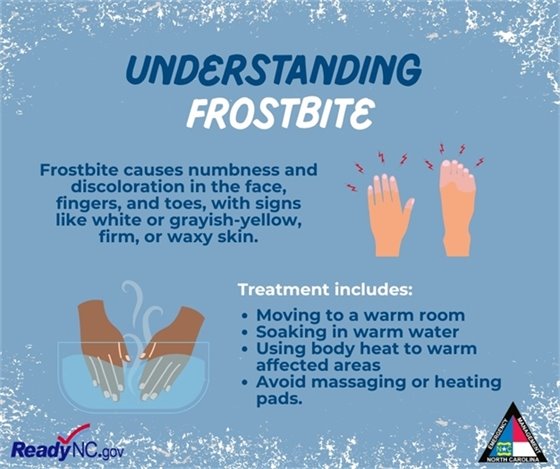
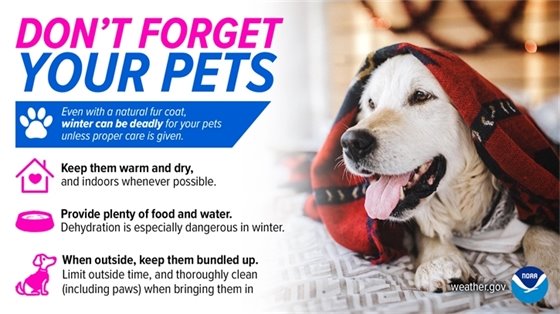
Pet Safety Winter weather can be rough on our furry friends. Follow these steps from the American Red Cross to help ensure your pet’s safety: 1. Bring your pets inside during cold weather. Pets left outdoors in extreme elements can freeze, become disoriented, injured or killed. In addition, don’t leave pets alone in a car during cold weather, cars can act as refrigerators and cause animals to freeze to death. 2. Protect their paws. Wipe their paws with a damp towel after walks to remove harmful chemicals. 3. Take care of their coat and skin. Towel dry your pet as soon as they come inside. Pay special attention to paws and in between the toes. Remove any snow from between foot pads. 4. Antifreeze is a deadly poison. Wipe up spills and store antifreeze out of reach. 5. Know your pet’s limits outdoors. Be aware of how your pet tolerates cold weather and adjust as needed. 6. Check your engine. Sometimes cats use an engine to keep warm. Check underneath your car, bang on the hood, and honk the horn before starting the engine to make sure a cat hasn’t taken refuge on your engine. 7. Use space heaters with caution. Heaters can burn your pet or be knocked over, possibly starting a home fire. 8. Watch for hypothermia. If your pet is whining, shivering, anxious, slower than usual or stops moving, seems weak or starts looking for warm places to burrow, get them back inside quickly because they are showing signs of hypothermia. If you suspect your pet has hypothermia or frostbite, consult your veterinarian immediately. 9. Avoid walking on frozen water. Stay away from frozen bodies of water. You don't know if the ice will support your pet's weight and falling through the ice could be deadly. |
|
|
|
|
|
Travel Safety Each year, weather-related crashes cause more than 6,000 deaths and 480,000 injuries. Travel will be treacherous and potentially life-threatening this weekend. Residents are strongly urged to stay indoors, avoid travel, and remain off the roads, particularly secondary and rural routes, which may become impassable for an extended period. Plan to remain at home through the weekend—and into next week—as travel conditions are unlikely to improve until temperatures rise above freezing. - Deep snow may strand anybody who travels.
- Potential for snow-covered roads for the majority of next week.
- Exposure to cold is one of the leading causes of death in winter storms.
If you absolutely must travel, check for the latest updates regarding road conditions by visiting DriveNC.gov or North Carolina Department of Transportation and NCDOT NC 12 on Facebook. Create an emergency supply kit for your car. Include jumper cables, sand, a flashlight, warm clothes, blankets, bottled water and non-perishable snacks. Keep a full tank of gas. - Slow down and pay attention
- Leave plenty of room between you and other vehicles
- Bridges and overpasses collect ice first. Approach them with caution.
- If you do begin to slide, take your foot off the gas. Turn the steering wheel in the direction of the slide. Do not push the brakes as that will cause further loss of control of the car.
- Be aware of black ice. Look out for shiny, wet-looking patches, especially in shaded areas and on bridges.
|
|
|
|
|
|
|
|
 Share on Facebook
 Share on Twitter
 Share via Email
